elements of this process is something called ‘climate scenario analysis’.
Several Tasmanian ‘Government‑Related Entities’ (GREs) will have to report under the ASRS. So, a group of GREs (Sustainable Timber Tasmania, Hydro Tasmania, Aurora, TasWater, TasPorts, TasNetworks, and TasRail) decided that it would be handy to have a shared set of Tasmania-specific climate scenarios. The aim of this nation-leading approach is to make sure that these organisations, which provide vital services to Tasmanians, are all on the same wavelength when it comes to figuring out how they will adapt to the rapidly changing climate. The Tasmanian Policy Exchange, alongside UTAS partners, has worked with these GREs to develop these scenarios.
This PIMBY article explains what climate scenarios are, outlines how the four scenarios were developed for the Tasmanian GREs, and highlights the importance of future-focused leadership in preparing for a changing climate. It argues that while climate change is indeed global, climate resilience is institutional. And today’s policy environment will determine whether Tassie merely withstands future climate-related shocks or emerges stronger from them.
Climate scenarios: planning for the plausable
Well, first of all, climate scenarios are not predictions. Climate scenarios are plausible, evidence-based descriptions of possible futures. They're designed to help people understand the potential impacts of climate change on their organisation and plan accordingly.
We worked with the GREs to develop four scenarios that meet the requirements of the ASRS. The scenarios were constructed using two axes:
- Average global temperature increase by 2100 (1.5°C to 3.6°C)
- Government response (proactive vs reactive)
The government response axis covers both the Australian and Tasmanian Governments. Under ‘reactive’, governments are focused on the short-term and respond to the climate crisis as impacts unfold, whereas ‘proactive’ means governments take a long-term view, planning ahead to reduce emissions and prepare for climate impacts. This creates four distinct futures:
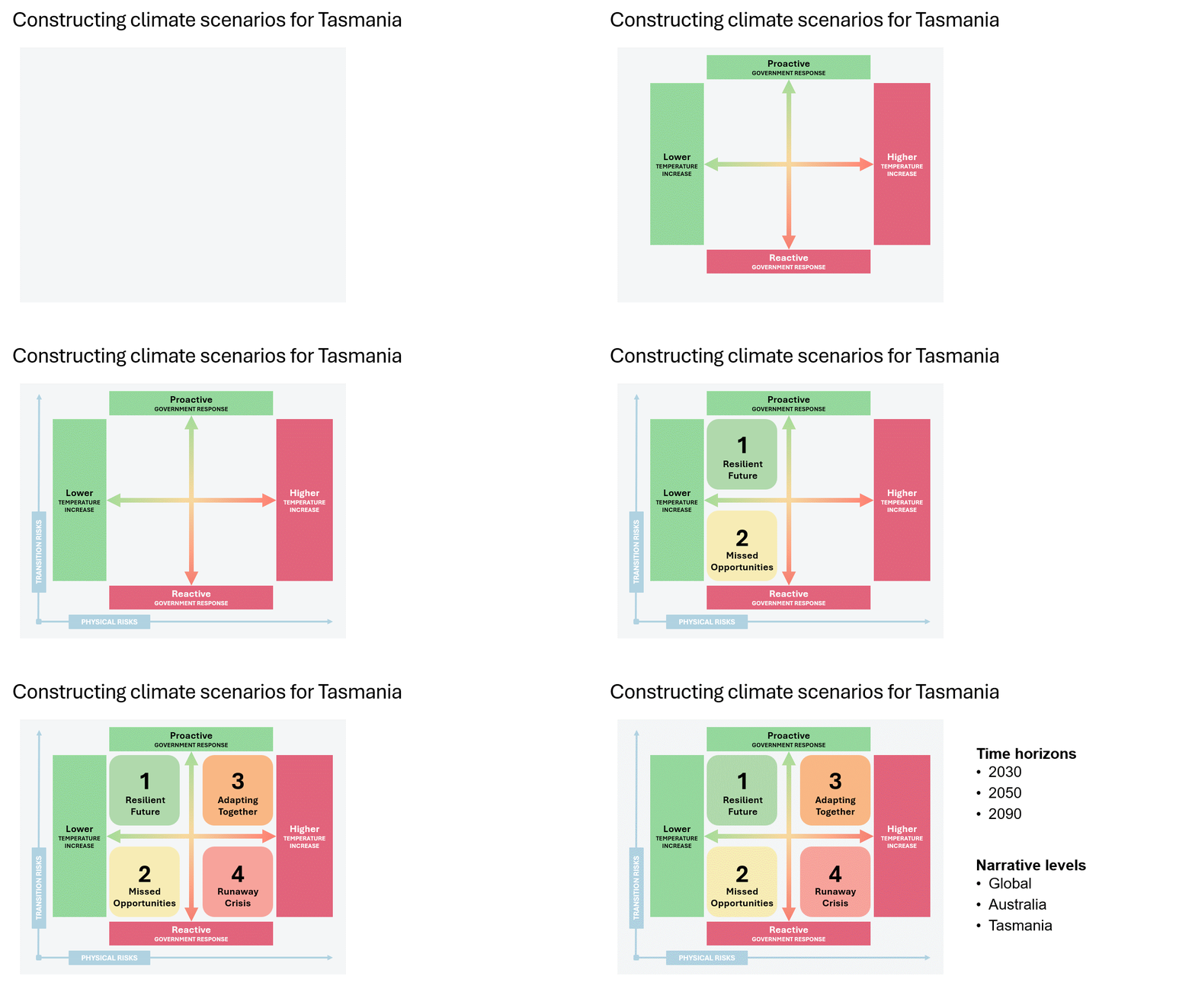
We also included 'transition risks' and 'physical risks' as secondary axes:
- Transition risks are the economic and social costs of moving to a low-carbon economy and society.
- Physical risks are the direct impacts of climate change on infrastructure, ecosystems and communities.
Each scenario features a description of potential major global, Australian, and Tasmanian trends for 2030, 2050, and 2090. The scenarios draw on the IPCC’s
Shared Socioeconomic Pathways, the Australian
National Climate Risk Assessment, the
Tasmanian Climate Risk Assessment, and a range of other relevant datasets.
The hope with any climate scenario exercise is to help organisations and people ask better strategic questions, like:
- What if warming is limited but transition costs are high?
- What if warming accelerates but governments act decisively?
- What if leadership falters?
- What risks emerge across infrastructure, finance, workforce, and community trust?
Our six dimensions of impact
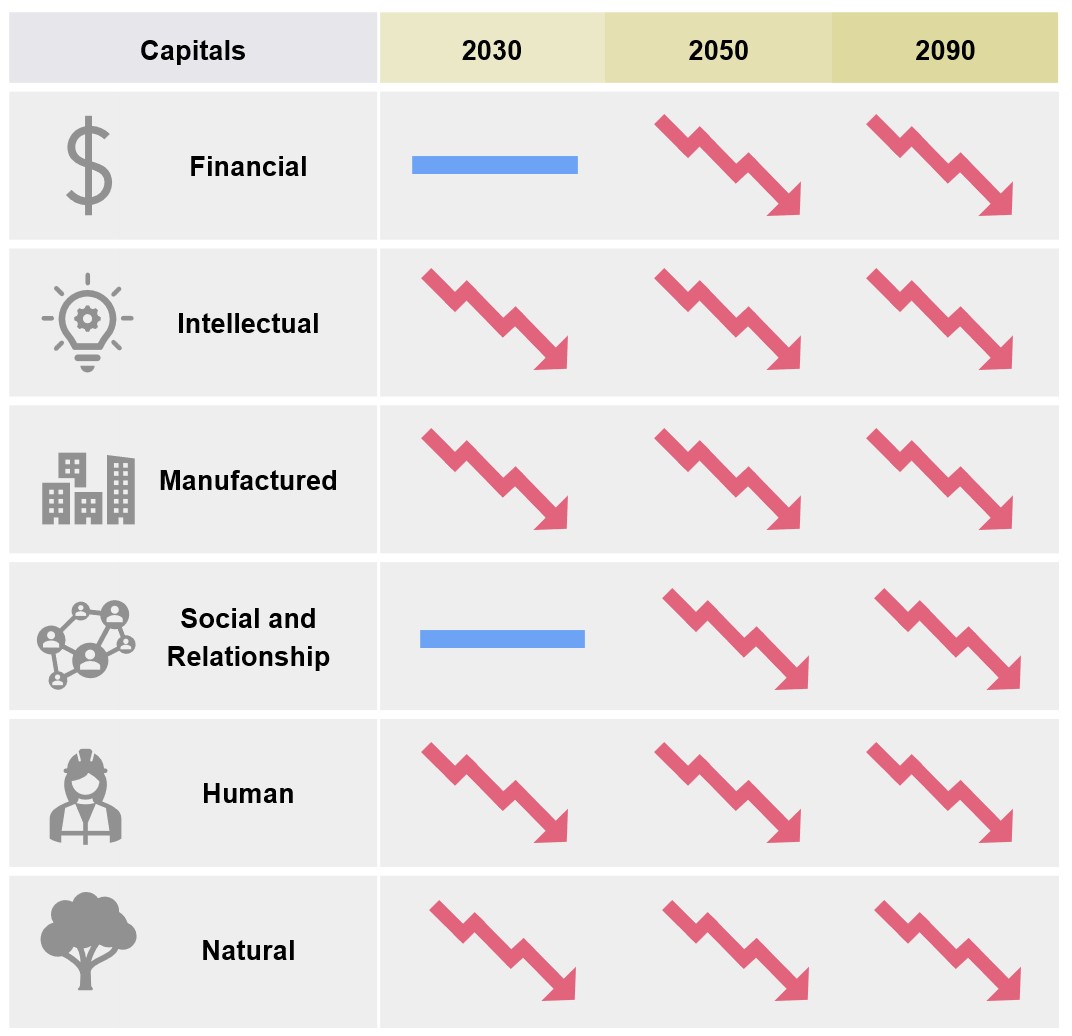
To understand how climate futures affect organisations holistically, we applied six impact dimensions, based on the internationally recognised
Six Capitals Framework. The impact dimensions are tailored to GREs, but we think that other Tasmanian organisations will also find them useful. Rather than focusing only on financial outcomes, this approach captures broader institutional resilience.
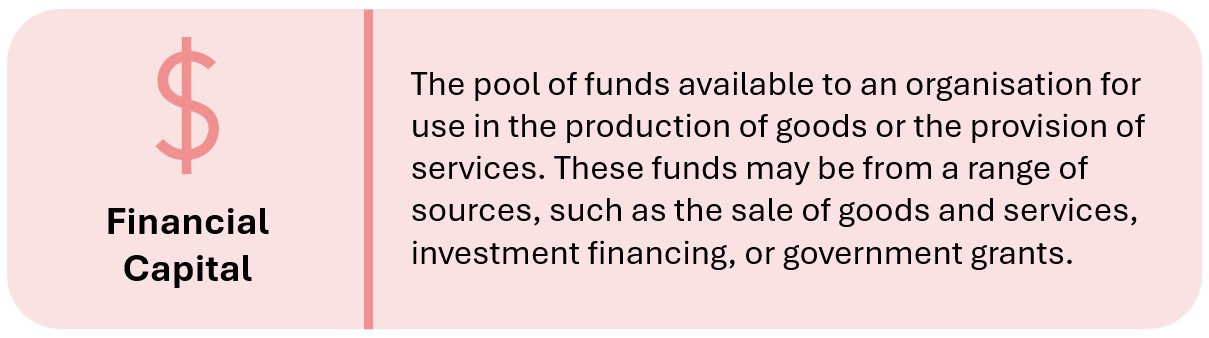
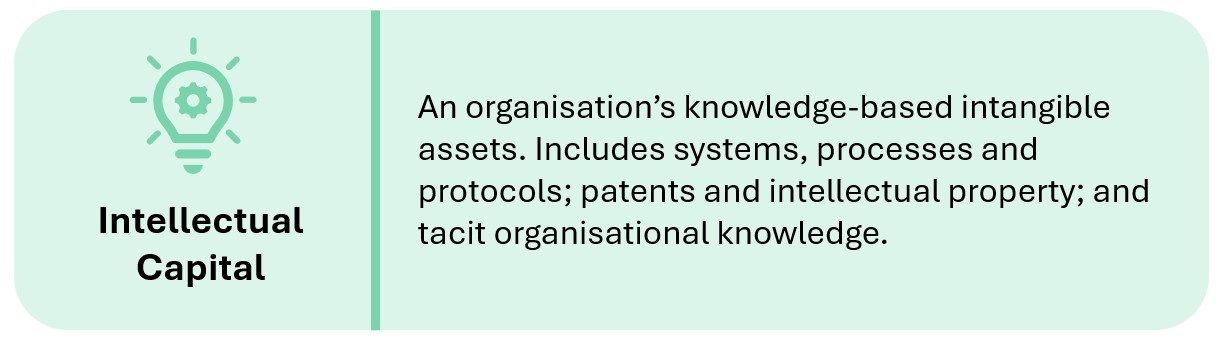


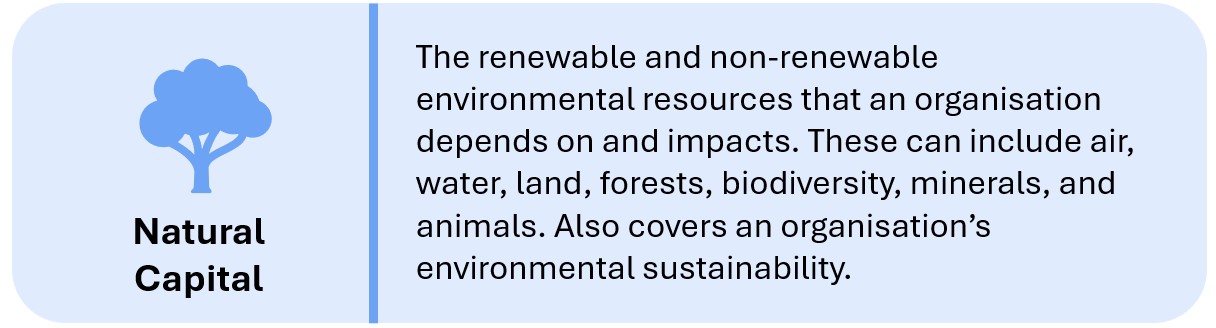
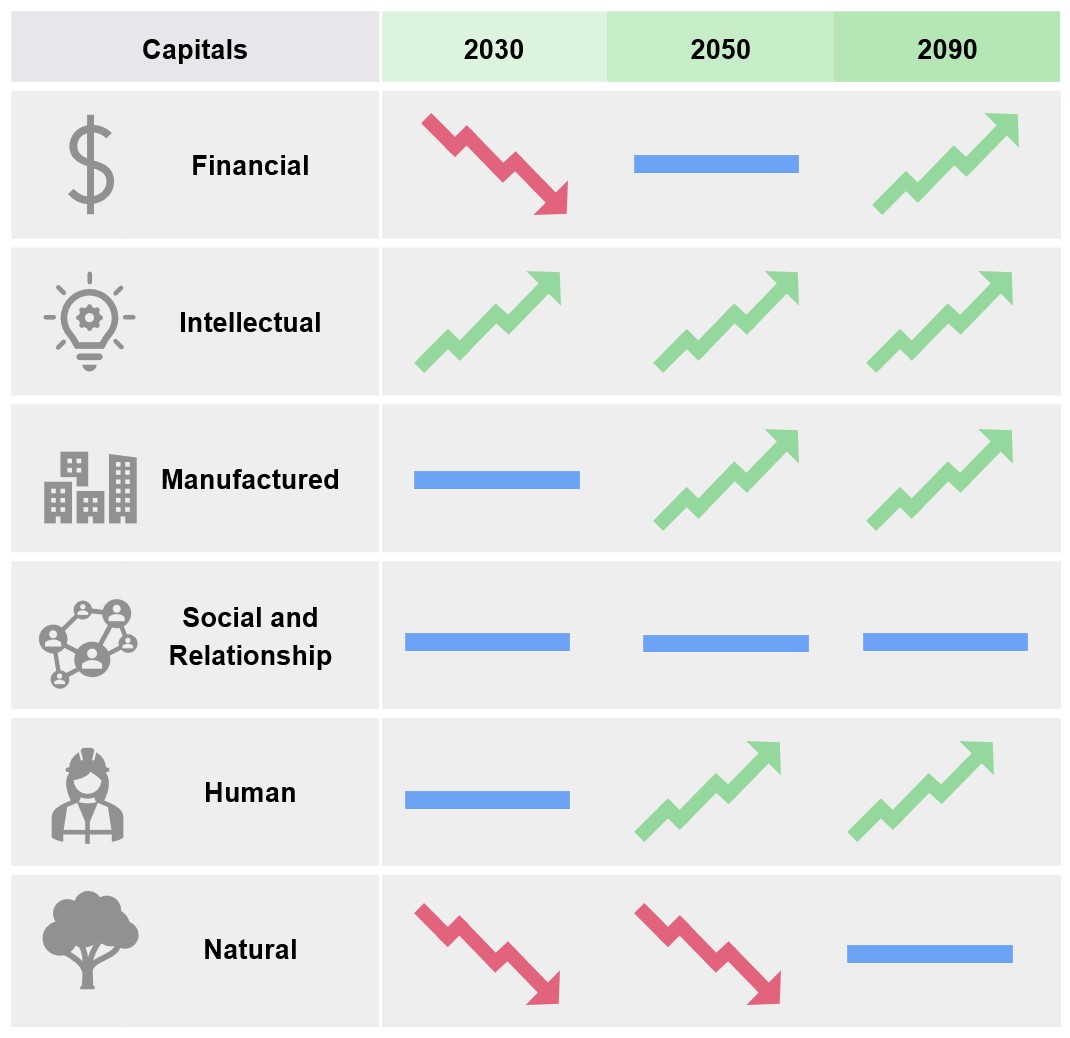
For each scenario and time horizon, we assigned a trend symbol to show how these capitals are likely to trend.
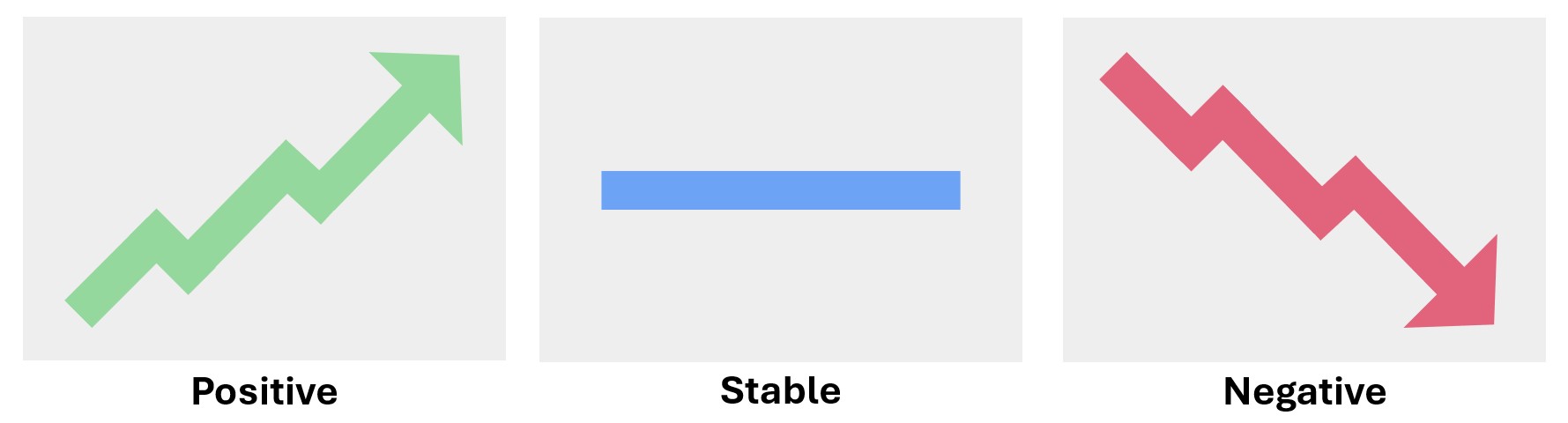
It’s important to note once more that the scenarios are not intended to be definitive predictions. They are tools to help organisations understand potential climate‑related risks and opportunities and strengthen their planning.
Without further ado, here’s a quick overview of the scenarios, and what they could mean for Tasmania.
Scenario 1: Resilient Future

Strong international action limits warming to around 1.5°C by 2100. Even so, the world is fundamentally reshaped. Extreme weather events become more frequent and more intense. Biodiversity loss accelerates. Infrastructure are tested by conditions for which they were not designed. Renewable energy and clean fuel use is increasing across the world. Businesses and consumers are switching from fossil fuels due to the introduction of
carbon pricing, and the shift to electric power technology. But the transition is neither smooth nor inexpensive. The pace of change creates disruption alongside opportunity. Despite adaptation efforts, climate-related health risks and displacement remain widespread.
Australia establishes itself as a climate leader, reaching net zero by 2050 and embedding emissions reduction across all sectors. Governments invest strategically in resilience, circular economy practices, and domestic production capacity. These measures help maintain stability, but the country still contends with markedly hotter inland regions, more frequent and severe extreme weather events, and growing strain on insurance markets. Adaptation remains a national priority as communities relocate from high-risk areas and governments manage escalating disaster costs.
Tasmania stands out as a climate refuge, owing to both its relatively milder environment and early, ambitious action. The state exceeds renewable energy targets and becomes a major exporter of clean power. Green hydrogen and other low-carbon fuels develop at scale, driving economic growth and attracting investment. Yet Tasmania is not immune from change. The state faces longer heatwaves and more intense fire seasons. Rainfall patterns shift, and ecosystems degrade, and some iconic species are lost despite active efforts. But adaptation measures (such as managed retreat, infrastructure upgrades, and regenerative agriculture) mitigate the worst impacts. Proactive planning strengthens water and energy security. Social cohesion remains strong, supported by effective government leadership, even as environmental pressures persist.
Scenario 2: Missed Opportunities

Strong international action limits warming to around 1.5°C by 2100. Even so, the world is fundamentally reshaped. Extreme weather events become more frequent and more intense. Biodiversity loss accelerates. Infrastructure are tested by conditions for which they were not designed. Renewable energy and clean fuel use is increasing across the world. Businesses and consumers are switching from fossil fuels due to the introduction of
carbon pricing, and the shift to electric power technology. But the transition is neither smooth nor inexpensive. The pace of change creates disruption alongside opportunity. Despite adaptation efforts, climate-related health risks and displacement remain widespread.
In Australia, however, climate impacts are being felt more keenly than in other parts of the world because of a reactive, short-term approach taken by successive national governments. There is poor disaster preparedness, infrastructure planning and a lack of resilience and adaptation measures. As a result, more frequent and severe droughts, bushfires, and floods inflict worse damage than would otherwise have occurred. Insurance is unaffordable in high-risk areas, water scarcity becomes a major challenge, supply chains are disrupted by extreme weather events, and political polarisation deepens as public frustration grows over limited government action. Many businesses and skilled workers relocate overseas.
Tasmania fares comparatively better than the mainland thanks to its milder climate, but still faces deep challenges. Heatwaves lengthen and mortality among vulnerable populations rises. Fiscal constraints and waning political ambition undermine emissions reduction efforts and adaptation planning. The state loses its net-zero status, damaging its ‘clean, green’ reputation and deterring investment. Renewable energy development slows amid regulatory barriers and infrastructure bottlenecks, causing steep increases in electricity costs. Population decline begins as climate-conscious residents and businesses leave, even as some migrants arrive from hotter regions of Australia. Social cohesion and public confidence frays under mounting economic and environmental stress.
Scenario 3: Adapting Together

A failure of coordinated and effective international action allows the global average temperature to reach 3.6°C above pre-industrial levels by 2100. The consequences are systemic. Ecosystems are profoundly altered, biodiversity declines sharply, and food and water insecurity becomes widespread. Malnutrition, heat stress, and disease burden public health systems. Global cooperation has fractured as countries prioritise national self-reliance over multilateral collaboration. Resource conflicts escalate and extreme weather events intensify, killing and displacing millions of people.
Against this backdrop, Australia positions itself as a climate leader early in the century. Fossil fuels are progressively phased out through legislation, and net zero is achieved by 2050. Governments invest heavily in resilience and disaster planning. However, even decisive action cannot shield the mainland from the physical realities of a rapidly warming world. Australia still faces worsening droughts, bushfires, and floods. While adaptation measures help, they cannot fully offset the pressures of a hotter and more volatile climate. As resource scarcity increases, social tensions and fiscal pressures rise.
Tasmania experiences comparatively less severe impacts than the mainland but is far from immune. Heatwaves become longer and more frequent. Rainfall patterns shift dramatically. Some ecosystems decline irreversibly, and iconic species vanish. At the same time, strong climate leadership and renewable energy investment fortify the state’s reputation and attract capital. Tasmania benefits from clean power exports and develops new green industries that create jobs and support industrial decarbonisation. Adaptation measures (such as managed retreat, infrastructure upgrades, and advanced building standards) are widely implemented. Although environmental losses accumulate, proactive restoration and strategic planning mitigate the worst effects. Social cohesion remains relatively strong, as Tasmanians navigate mounting environmental and economic pressures together.

Scenario 4: Runaway Crisis

A failure of coordinated and effective international action allows the global average temperature to reach 3.6°C above pre-industrial levels by 2100. The consequences are systemic. Ecosystems are profoundly altered, biodiversity declines sharply, and food and water insecurity becomes widespread. Malnutrition, heat stress, and disease burden public health systems. Global cooperation has fractured as countries prioritise national self-reliance over multilateral collaboration. Resource conflicts escalate and extreme weather events intensify, killing and displacing millions of people.
Australia’s environment, economy, and society are devastated by the climate crisis. The reactive, short-term approach taken by successive national governments means that life becomes very hard for most Australians. Many ecosystems collapse and the economy crashes as extreme weather events rage unchecked. Social cohesion frays as communities are left to fend for themselves and resource scarcity prevails.
Tasmania is less physically exposed than much of the mainland but is not protected from decline and faces mounting challenges. Heatwaves lengthen and mortality among vulnerable populations rises. The state loses its net-zero status, and renewable energy development stalls. Fiscal constraints and waning political action undermine adaptation and resilience planning, with little support for communities forced to relocate due to extreme weather events. Habitat loss accelerates and iconic species become extinct. Population decline sets in as people leave in search of lives elsewhere, and communities fracture as inequality grows sharply.

Lessons from the four futures
Developing the scenarios was a fascinating (and sometimes scary) process. Exploring multiple plausible futures drove home just how consequential today’s choices are. As a team, we ended up with a few key core insights:
- First, even 1.5°C of warming will drastically change Tasmania’s environment, society, and economy. Under all four scenarios, the State becomes hotter, more environmentally vulnerable, and more exposed to extreme weather. Infrastructure is tested, ecosystems are altered, and communities face difficult decisions about land use, insurance, and relocation. The difference between 1.5°C and higher levels of warming is significant, but 1.5°C is not a 'safe' climate. It might not sound like much, but the consequences could be dire – especially if state and federal governments do not take a proactive approach to planning for and investing in climate resilience and adaptation.
- Second, state and federal government policy can make a huge difference in an increasingly hostile climate. It’s easy to feel like nothing Australia does can make a difference and our contribution to global emissions is too small to meaningfully influence outcomes. Yet our analysis suggests that strong leadership from the Tasmanian and Australian governments is likely to protectus from the worst effects of climate change – even in a world where the global average temperature rises by 3.6°C.
Climate change is global and its physical impacts are shaped by international cooperation, technological innovation, and emissions trajectories far beyond Tassie's borders. But the experience of climate change—whether it produces instability or adaptation, decline or transformation—depends heavily on choices from institutions and people.
Climate change will reshape Tasmania under any plausible scenario. But we have a choice in deciding if that reshaping will occur through deliberate planning or through crisis. The future may not be fully within our control, but preparedness, organisational strength and policy ambition are. If warming is limited and governance is strong, it’s likely that Tasmania’s future looks prosperous, cohesive and capable – albeit warmer than before.
The TPE would like to thank the following organisations who made the development of the Tasmanian Climate Scenarios possible through their commissioning and financial support: Aurora Energy, Tasmanian Ports Corporation, Hydro Tasmania, Tasmanian Railway, Sustainable Timber Tasmania, TasWater, and Tasmanian Networks.
We would also like to thank our UTAS colleagues who provided insights and contributed to our workshops, with special thanks to the Sustainability Team.
A full version of the report can be read
here, or you can find it on our website along with our other climate work:
https://www.utas.edu.au/community-and-partners/tpe/transition-to-a-zero-carbon-future .png)







.png)